Recherche detectives
Recherche is the Dutch name for a police force's detective branch. On Freedom Roleplay, a Dutch Qbox server, it gives detectives case files in the police tablet, a prosecutor who reviews their work, latent prints, camera stills and a booking room, all inside the existing police systems.
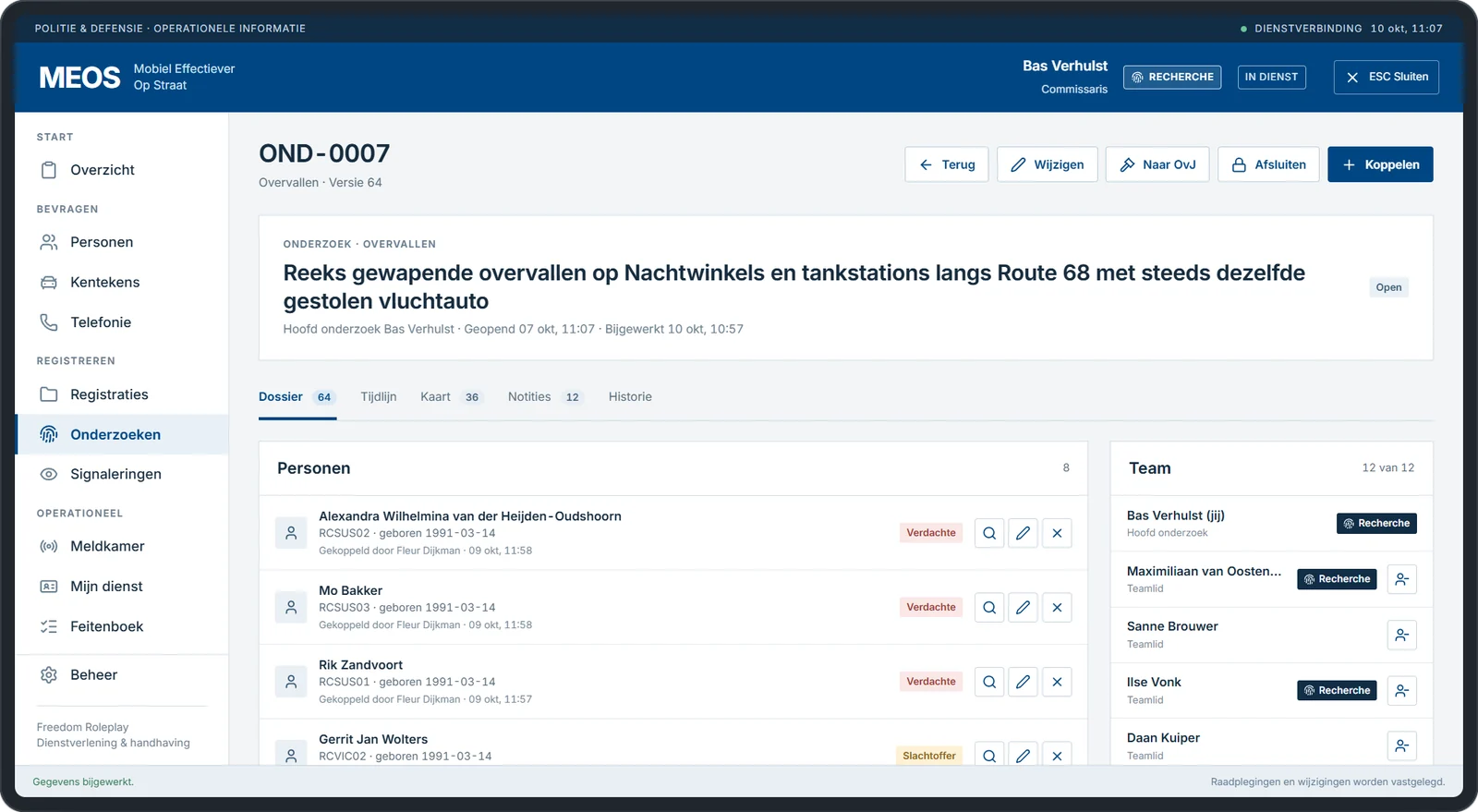
- 01Case files collect people, plates, prints and footage, then go to a prosecutor
- 02A print only names someone after a lab comparison the server checks
- 03Suspects stay an unknown person until they are identified
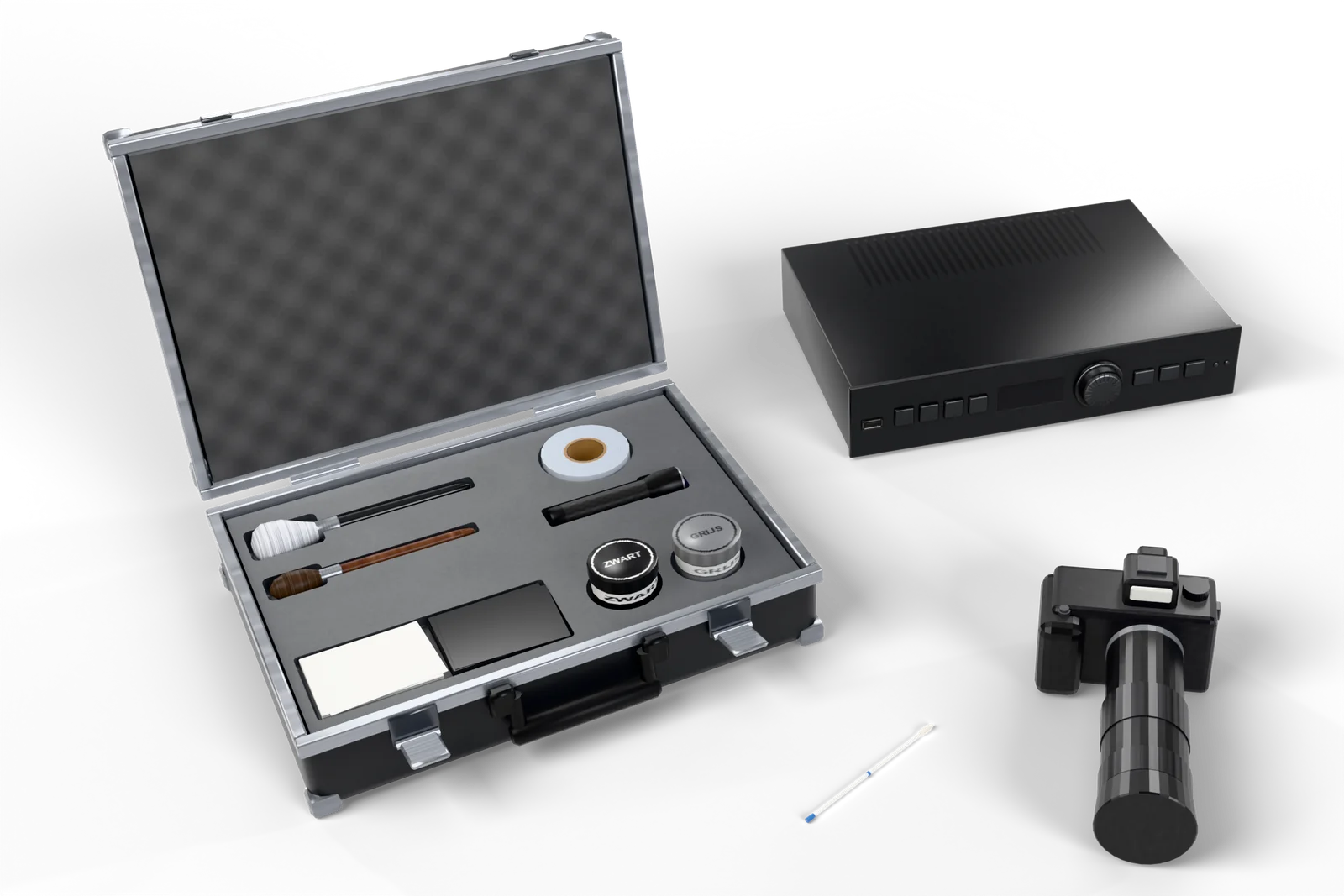 CUSTOM 3D MODEL
Forensic case and CCTV recorder
Turn it in 3D ↗
It closes the gap between a crime happening and anyone being able to prove who did it.
Crime without a trail
Before this, the only physical trace a criminal left was a spent casing, and it lasted an hour. In the first nine days on the live server, players left casings at 278 spots and police secured 8 of them. Over the same days there were 3,086 street drug sales and 108 burglaries, and not one cell-tower lookup was requested. There was no detective role and nothing to investigate with, so a crime was either caught in the act or gone.
The case file
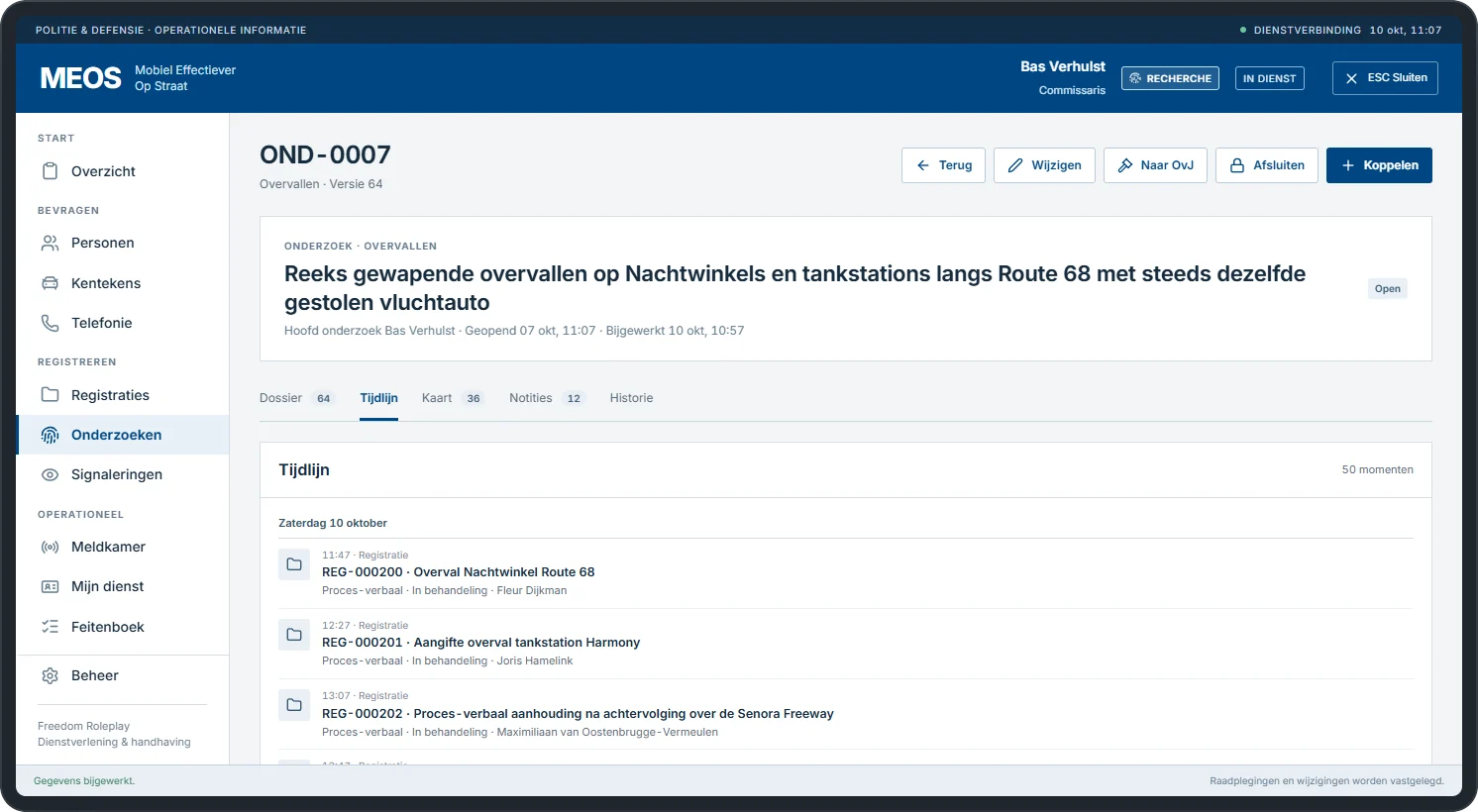
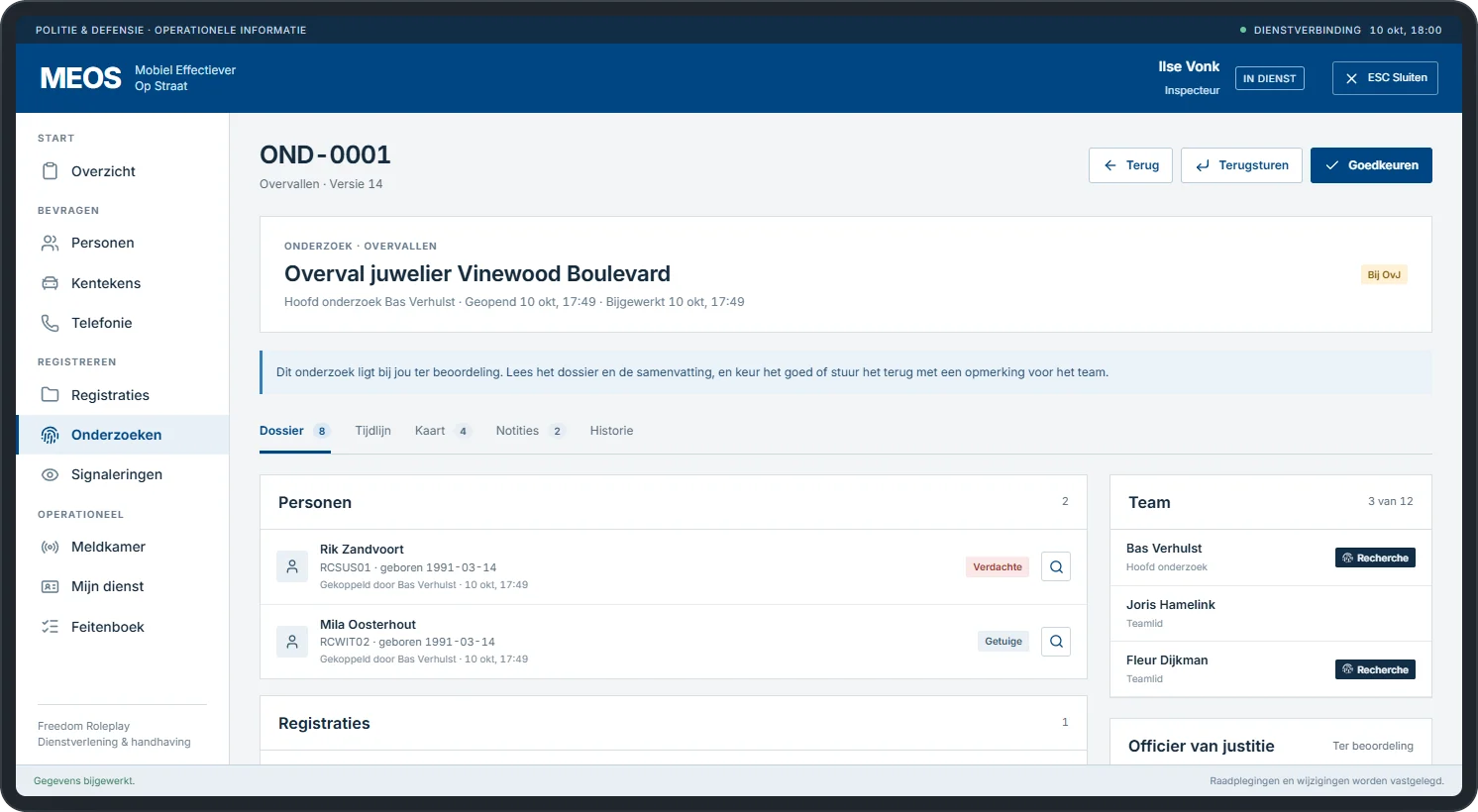
Detectives open a case file in the police tablet with five tabs: the file itself, a timeline, a map, notes and history. A case has one of 11 crime types, a team of up to 12 detectives and up to 150 links of eight kinds, such as people, plates, evidence, footage and registrations, plus up to 300 notes. Several detectives can work in the same file; whoever saves over a newer version gets a message to refresh, never a penalty.
The prosecutor's review
A case does not end with the detective. When the conclusion is written, at least 20 characters and with at least one link to evidence, it goes to a prosecutor: an officer of rank 3 or higher who has been given the prosecutor role, or command at rank 7 or higher, who is not on the case team and did not submit it. The prosecutor approves it, which creates the arrest warrant in the police system, or sends it back with a note of at least ten characters saying what is missing.
Prints that fade
Players leave latent prints on places and vehicles they touch. Gloves leave a glove trace without a name instead. The server cannot read clothing directly, so when it is unsure it records a print rather than a false glove trace. Traces fade after 120 minutes at a place and 240 minutes on a vehicle. Police tape around a scene slows that down to at most 12 hours, rain wears outdoor traces away, and a car wash or a garage wipes a car clean.
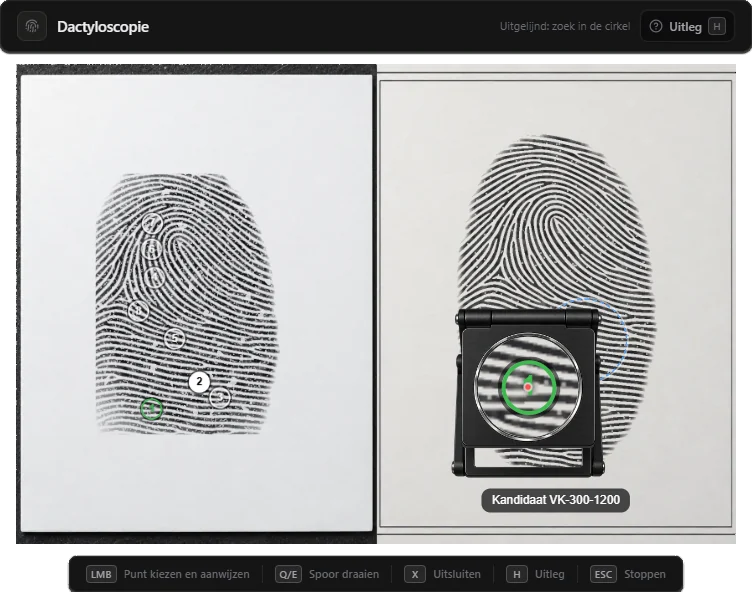
The forensic kit has a UV lamp that shows traces within 15 metres. Lifting one is a minigame: dust the surface, lay tape over the print and peel it onto a card. At the lab, a comparison screen offers three to five candidates with decoys among them. The detective marks matching points on both prints; four or five true pairs make a hit, five wrong pairs end the attempt. Only after a hit the server has checked does a name appear, and only if that person is in the police database.
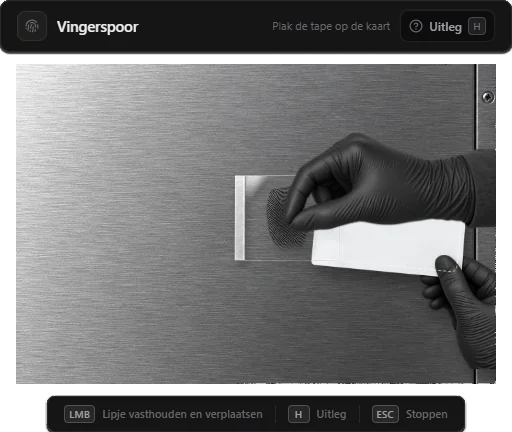
One early bug made this too easy: decoy codes had a different format from real fingerprint codes, so the real candidate gave itself away. Decoys now have the same shape and length.
Camera stills
Robberies at stores, banks and ATMs save camera stills of each suspect. A still describes what the camera could see: seven clothing slots, a mask, gloves, a weapon and a vehicle within 30 metres, with a plate that is readable up to 12 metres and partly readable up to 22. Detectives pull the footage from the recorder on site in a minigame, where each channel shows two to four false markers next to the real moments, export it to a USB stick and link it to the case. Stills expire after two hours. Criminals have counterplay: a mask, a taped-over plate or looping the camera before they start.
Booking
An arrested suspect is booked with photos, a ten-print card and a DNA swab. The server only accepts a photo taken from 0.9 to 4 metres away and aimed within 12 degrees of the suspect, and stores it as a 960 by 540 image of at most 450 kB under its hash. Until the print card is approved, the suspect is listed as an unknown person: officers see a name only after identification.
Lights and aliases
Detectives drive unmarked cars, and the light setups of the existing police fleet could not be reused on them. Instead they fit their own light units with a click-to-place editor: six types, from grille flashers to a rear sign that reads STOP POLITIE, at most eight per car. The server validates every placement and stores it on the car, and each client only renders the nearest six equipped cars within 70 metres, with at most four light sources per car.
On duty, a detective can work under an alias that shows on their ID, in the tablet, on the radio and on invoices. Off duty, the real name returns. The real name always stays in the registry and the logs, and an alias has to be unique across detectives and the special intervention unit.
How it was tested
Each part has its own suite. The prosecutor review passed 199 server checks and 89 browser checks on four screen formats, the dusting and comparison minigames 663 checks under laggy, normal and local network conditions without rejecting a legitimate input, the camera footage 316 browser checks and the booking interface 216. These are technical checks; how it plays is decided by the officers who use it on the live server.
More views
More from Freedom Roleplay
 POLICE / JUSTICE
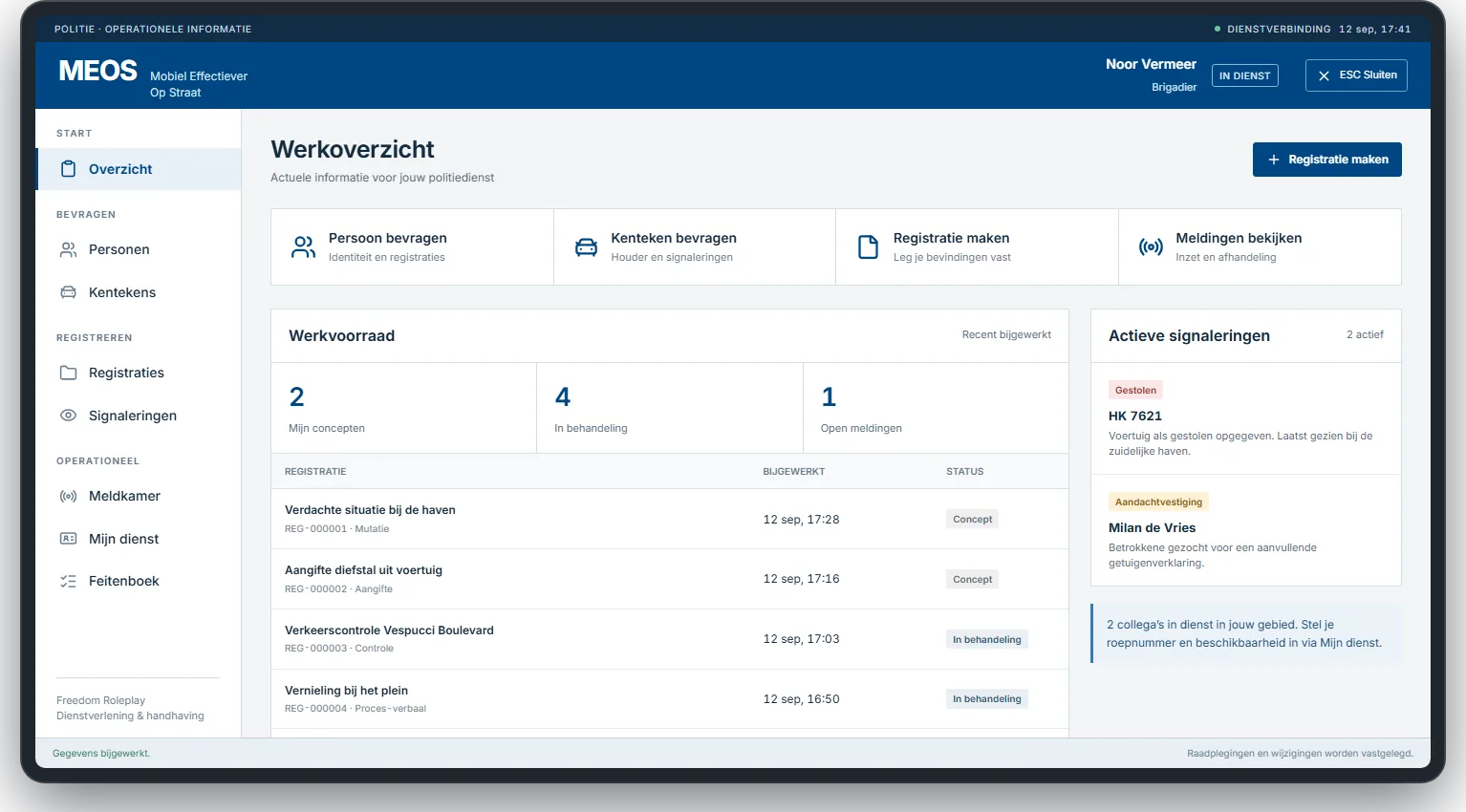
MEOS police tablet
A full police records system on an in-game tablet, fed live by ANPR cameras, dispatch and seized burner phones.
Read the case ↗
 POLICE / FORENSICS
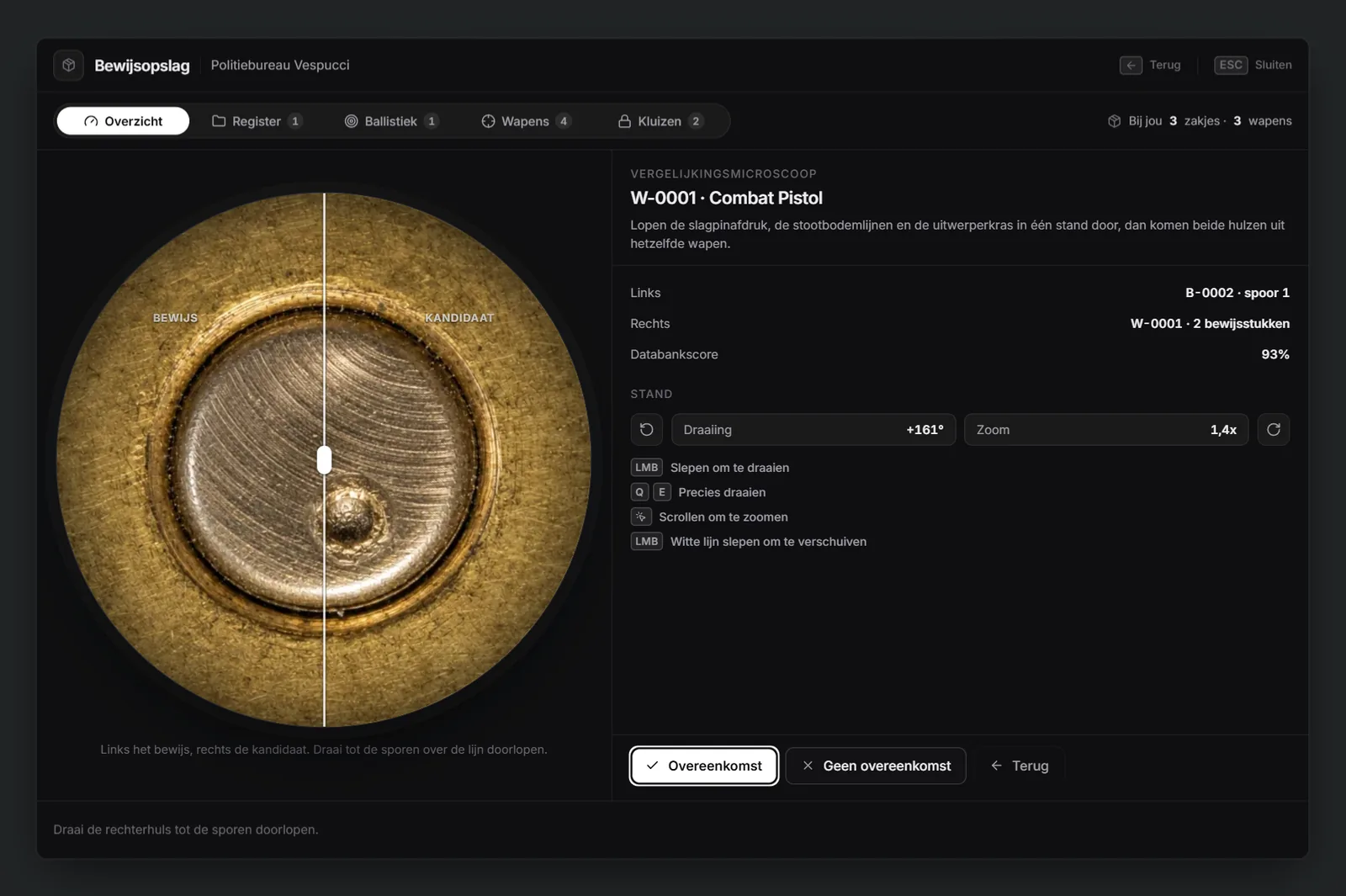
Ballistics lab
Shots leave casings on the street that officers find, bag and match to a weapon under a comparison microscope.
Read the case ↗
 CRIME / HEISTS
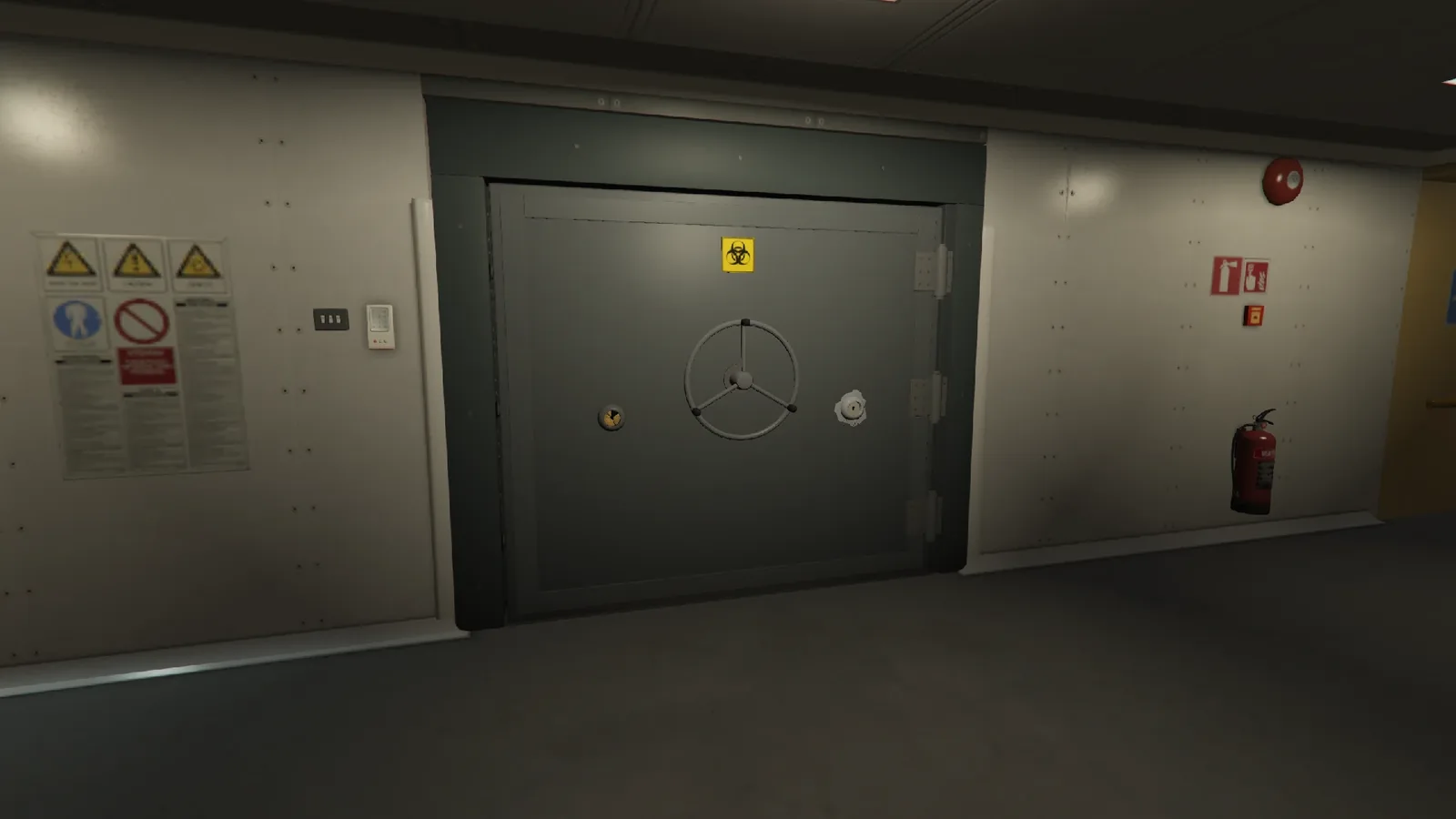
Three heists
Pacific Standard, Humane Labs and Vangelico, where every step is a physical job with a real tool: clone a pass, burn through a vault door, freeze a lock, smash a display case.
Read the case ↗
Want this on your server?