Border control
Border control is a set of 16 custom FiveM border posts with ANPR and road blockers, built for Freedom Roleplay, a Dutch Qbox server. Every road from Los Santos into Blaine County now crosses one, modelled, placed and scripted for the server.
- 01Fixed ANPR logs every passing car as a MEOS sighting
- 02Run each lane on its own from the booth, the barrier or a controller
- 03Road blockers, spikes and a breach alert for anyone who runs it
CUSTOM 3D MODEL
Border post
Turn it in 3D ↗
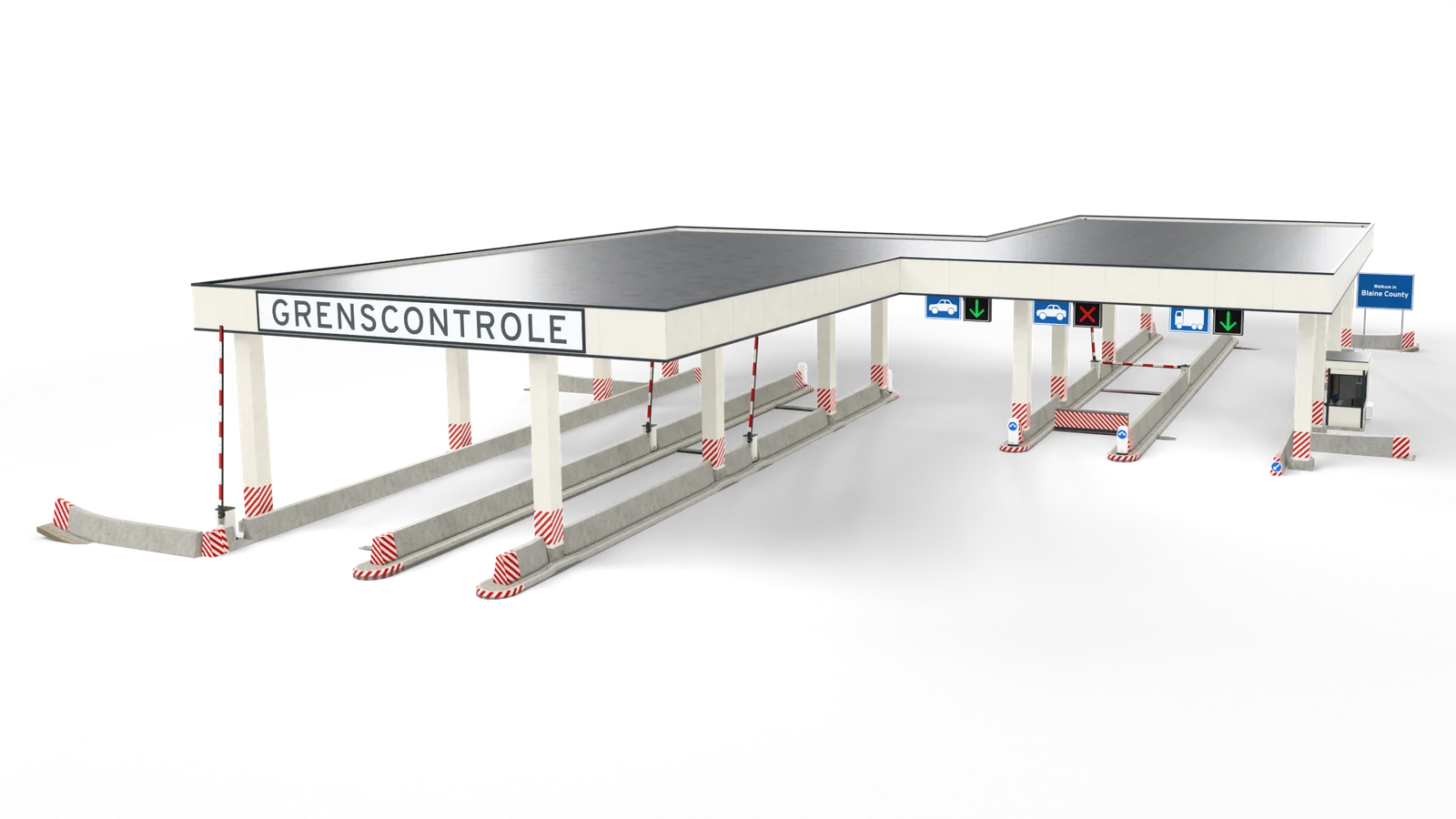
A border police can actually close: sixteen posts, each a row of inspection lanes that can be shut one lane at a time or all at once.
What the server needed
Freedom Roleplay wanted a real border between the city and the county: something police can close during a chase or a manhunt, without toll booths, NPC guards or forced stops for everyone else. The ready-made option was an encrypted pack. I built it from scratch instead: the road analysis, the models, the map placement, the sound and the script.
Finding every road
GTA has no county border you can use. The game's own map area split is a straight line through the Vinewood Hills with around thirty residential streets crossing it. So the border is built from the game's district data, with every district assigned to the city or the county, and then cut through the actual road network, using the collision under each road link to tell paved from unpaved.
The first pass closed every paved route with seven posts, which still left the dirt roads open. The second pass took every car road in the game's navigation data, paved, unpaved and even disabled ones, and added nine posts on dirt tracks. With all 16 closed there is no road route between the city and the county, and removing any single post opens one again. Driving cross-country through the terrain is still possible, on purpose.
The models
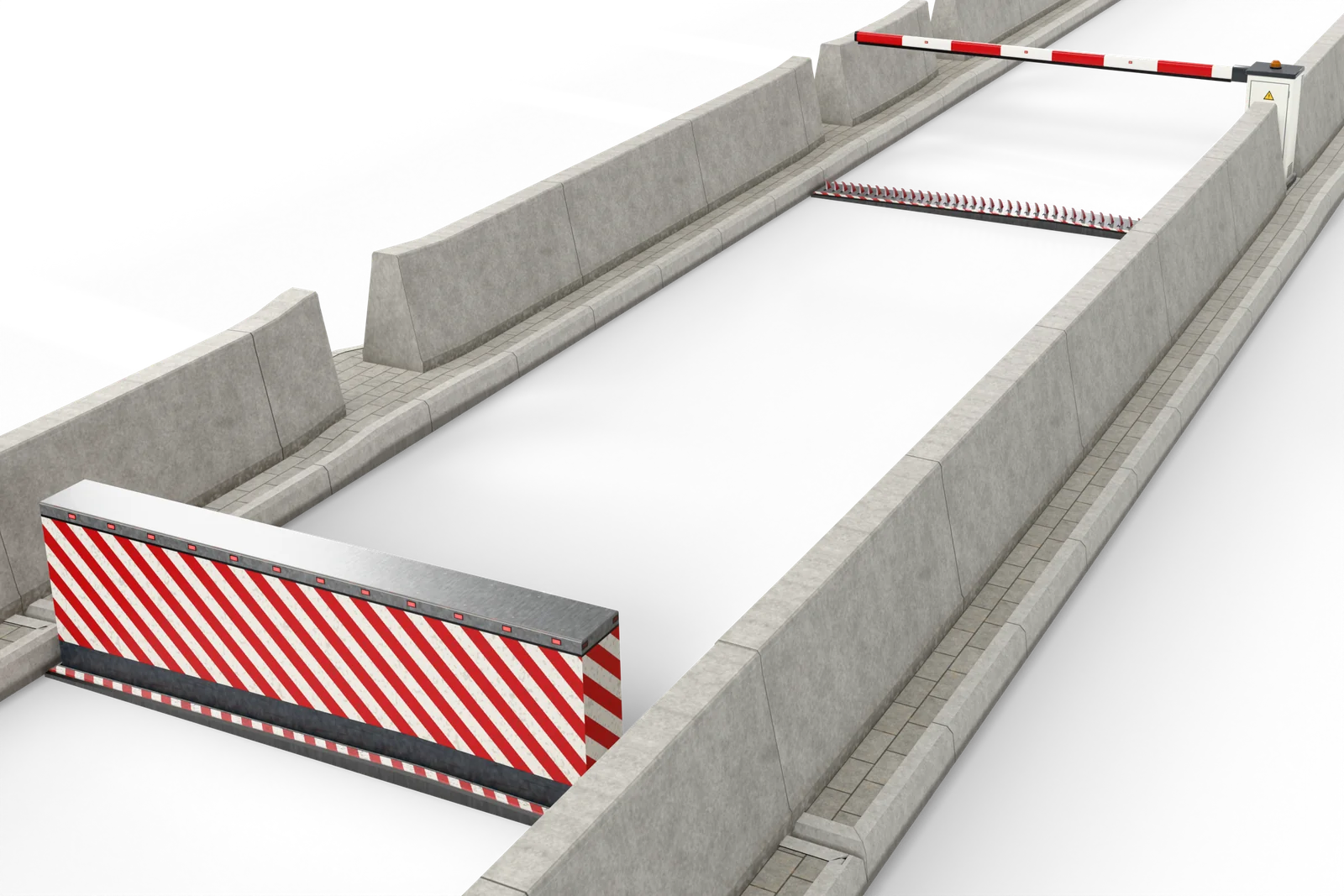
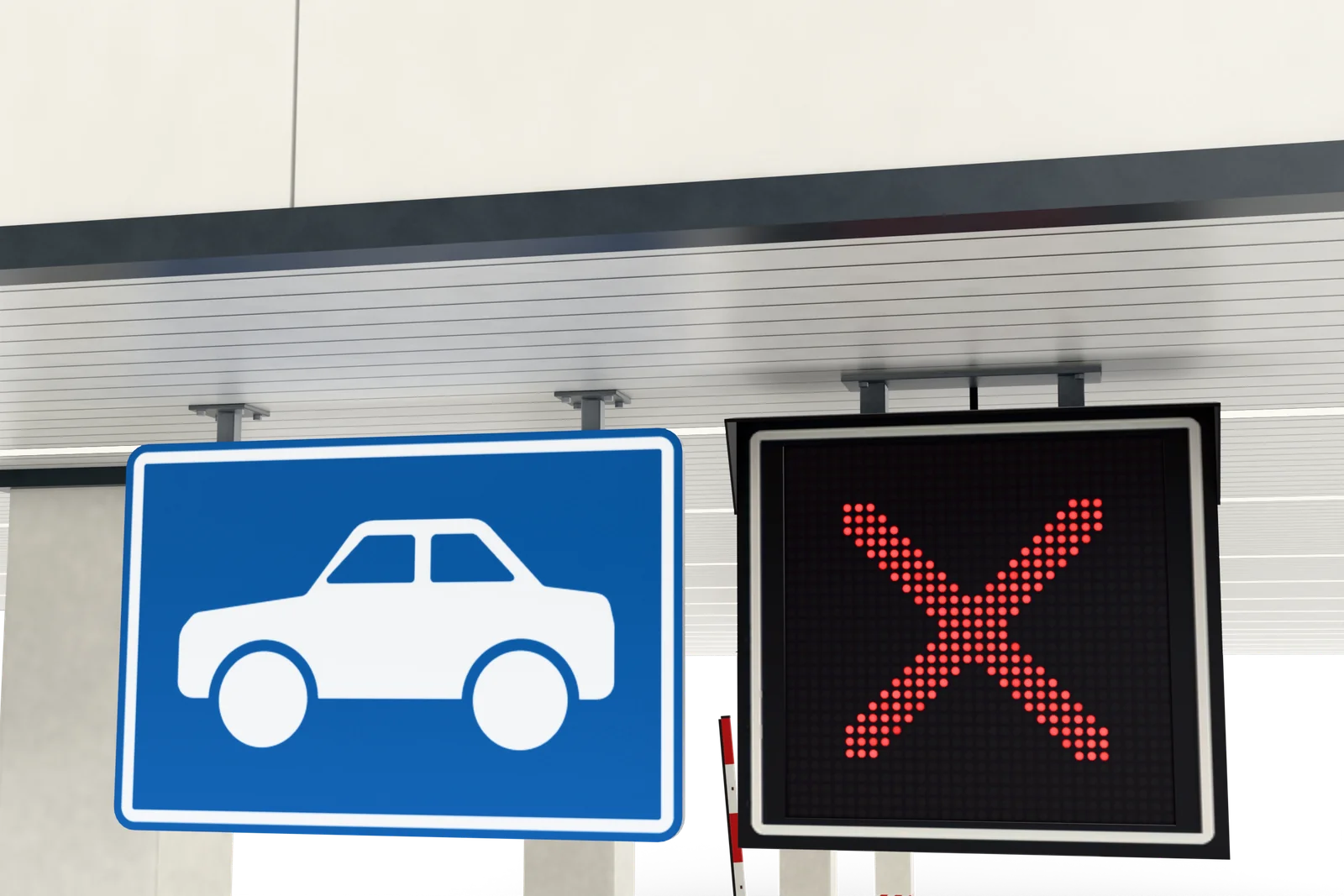
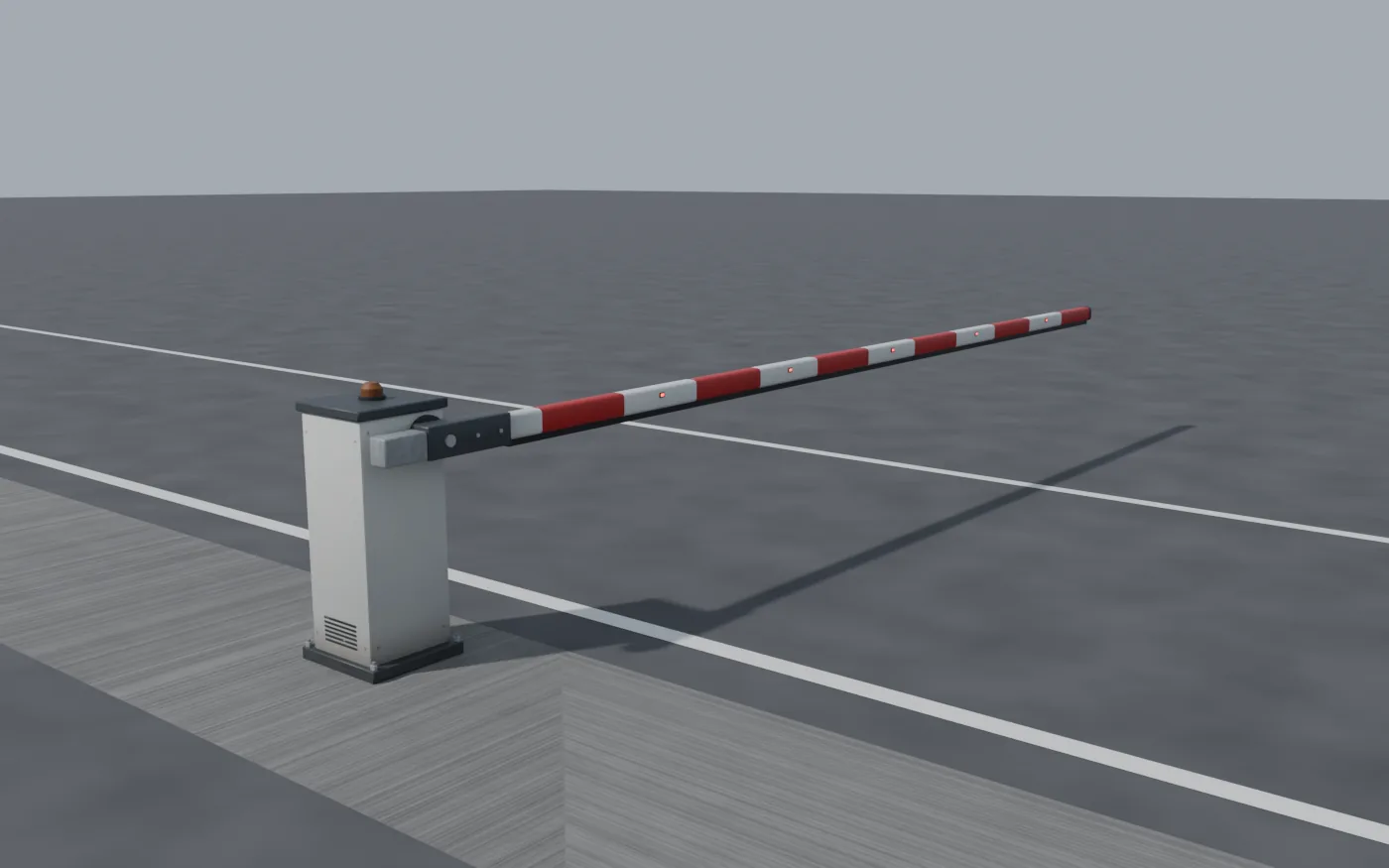
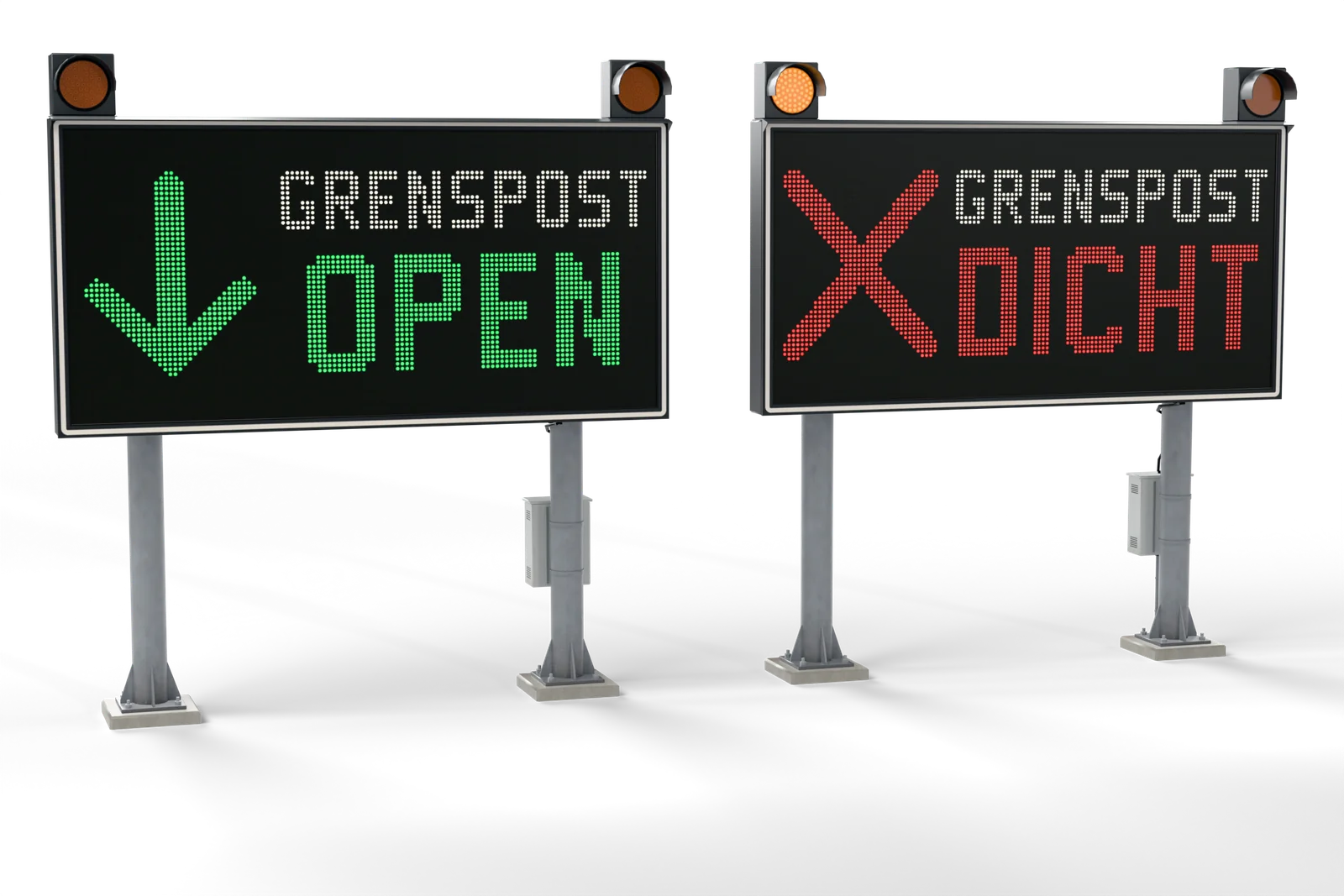
There are 41 custom model designs, baked per lane and per post into 410 drawables in the game. Each post is a set of closed inspection lanes. A road blocker guards the entry of every lane: a steel beam across the full lane that rises 0.85 metres out of the road in 1.9 seconds. A barrier closes the exit, with a spike cassette set into the road under it. Continuous dividers with a low concrete barrier keep the lanes apart, and a canopy covers the lanes at every post, with a lane sign and an LED matrix board per lane and a lit GRENSCONTROLE panel you can read from 150 metres. Ten DRIP signs, roadside LED warning boards, stand 412 to 1,000 metres ahead of the five fast posts.
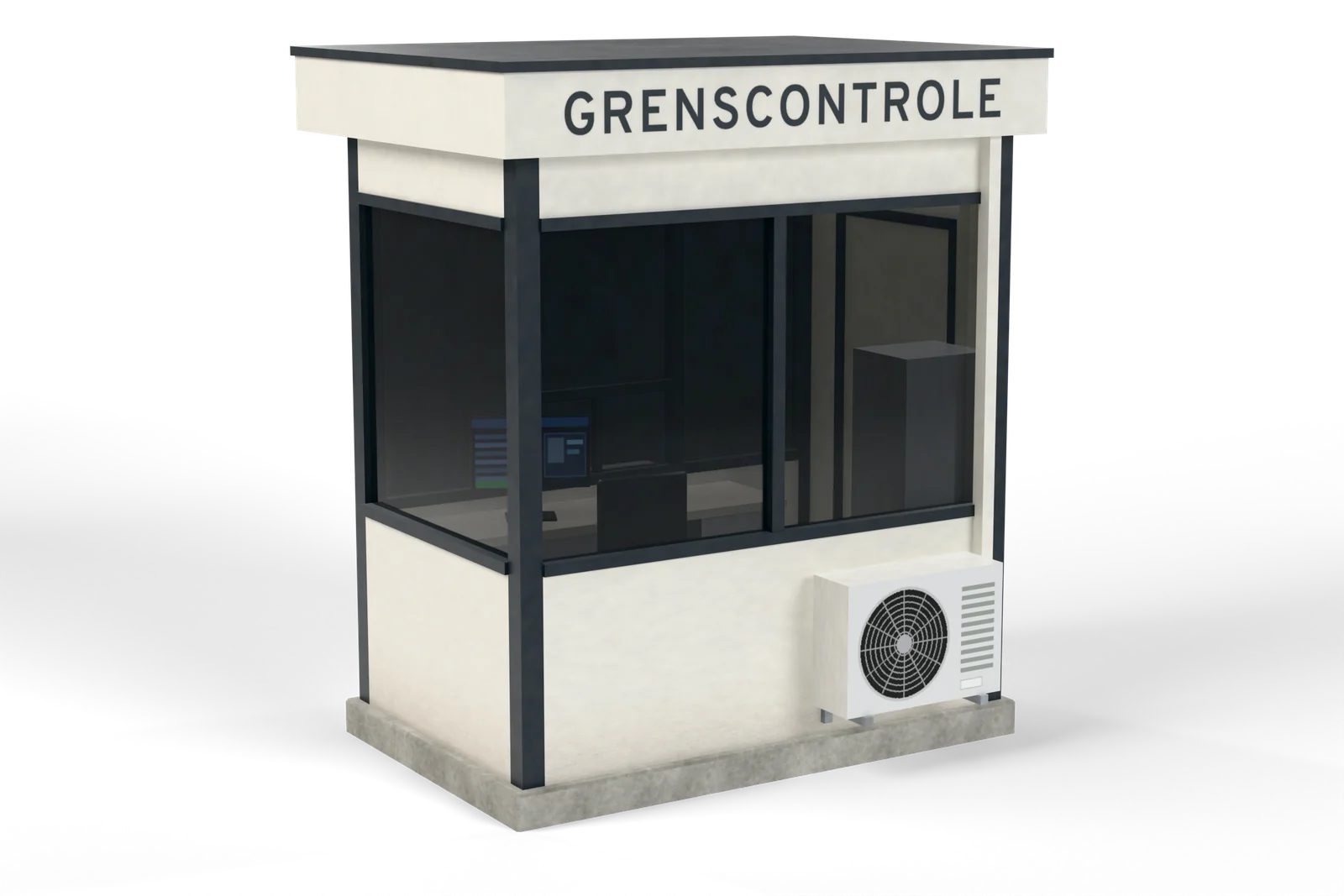
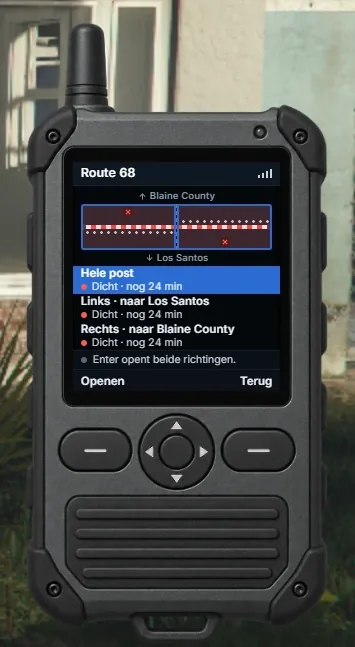
The rest of the set is the booth, an ANPR camera mast, barrier arms in several lengths with a base and warning lamp, welcome signs and a handheld controller. Everything is built in Blender and exported with Sollumz, in the style of a modern European border post: white powder-coated steel, anthracite frames, red and white reflective stripes, Dutch text only and no real emblems.
How it plays
Posts are open by default. Road blockers are down, barriers are up, the boards show green arrows and traffic drives through at full speed. The ANPR camera reads every player-driven car that crosses the control line and stores it as a sighting in MEOS. A plate with a warrant, or a car whose owner has one, sends a dispatch alert with plate, model, colour and direction. A taped-over plate sends an unreadable plate alert at lower priority.
Police and Defence on duty run a post from the booth, from the barrier post of each lane, or from a distance with the border controller; supervisors also have it in their F6 menu. Every lane works on its own: raise its road blocker, lower its barrier or both, for example to check one car at a time while the other lanes keep moving. A single lane gets a 3 second warning, with the orange lamp on its barrier post, a beep and its matrix board flashing a red cross. Closing a whole side or the whole post gives a 10 second warning, and the DRIP signs on the approach switch to a red cross with flashing orange lights. A road blocker waits until its lane is clear and never rises under a car or a person.
- An on-duty police, Defence or ambulance vehicle within 30 metres opens a free lane in its direction for 8 seconds.
- The spikes rise with the exit barrier and flatten every tyre that rolls onto them, with an alert to dispatch.
- Driving around a closed post, or through it against the closed direction, raises a border breach alert with plate, model and direction.
- NPC traffic is routed away from a closed post, and players within 1.5 km get a notice.
- Every player sees all 16 posts on the map with their current state.
- A closure ends 30 minutes after the last action on it, or 2 minutes after the last officer goes off duty.
Server authority and persistence
The server owns the state of every post, side and lane. Full and half closures are stored in the database and survive a restart of the resource; lane-by-lane control comes back open. The server shares the current state with every client, including players who join later, and a full server restart opens everything. Blockers, barriers, spikes and boards are moved by the script on each client from that shared state, so everyone sees the same post. The server checks that whoever works a lane stands at the booth or the barrier post, and every close, open and breach is logged with who did it and how.
After launch
In the first days players asked to lower only the barrier, to wave cars through one by one, which was added within a day, and a camera mast that stood too close to a freeway lane was moved. A week after launch the posts were rebuilt around closed inspection lanes: full-width road blockers and spike cassettes replaced the first lane hardware, and every lane got its own controls at the booth, the barrier post and the controller. After a player report that the control points sat well beyond the canopy, the canopies were lengthened to cover the whole lane, and the matrix boards no longer blink out during the warning.
More views
More from Freedom Roleplay
 POLICE / JUSTICE
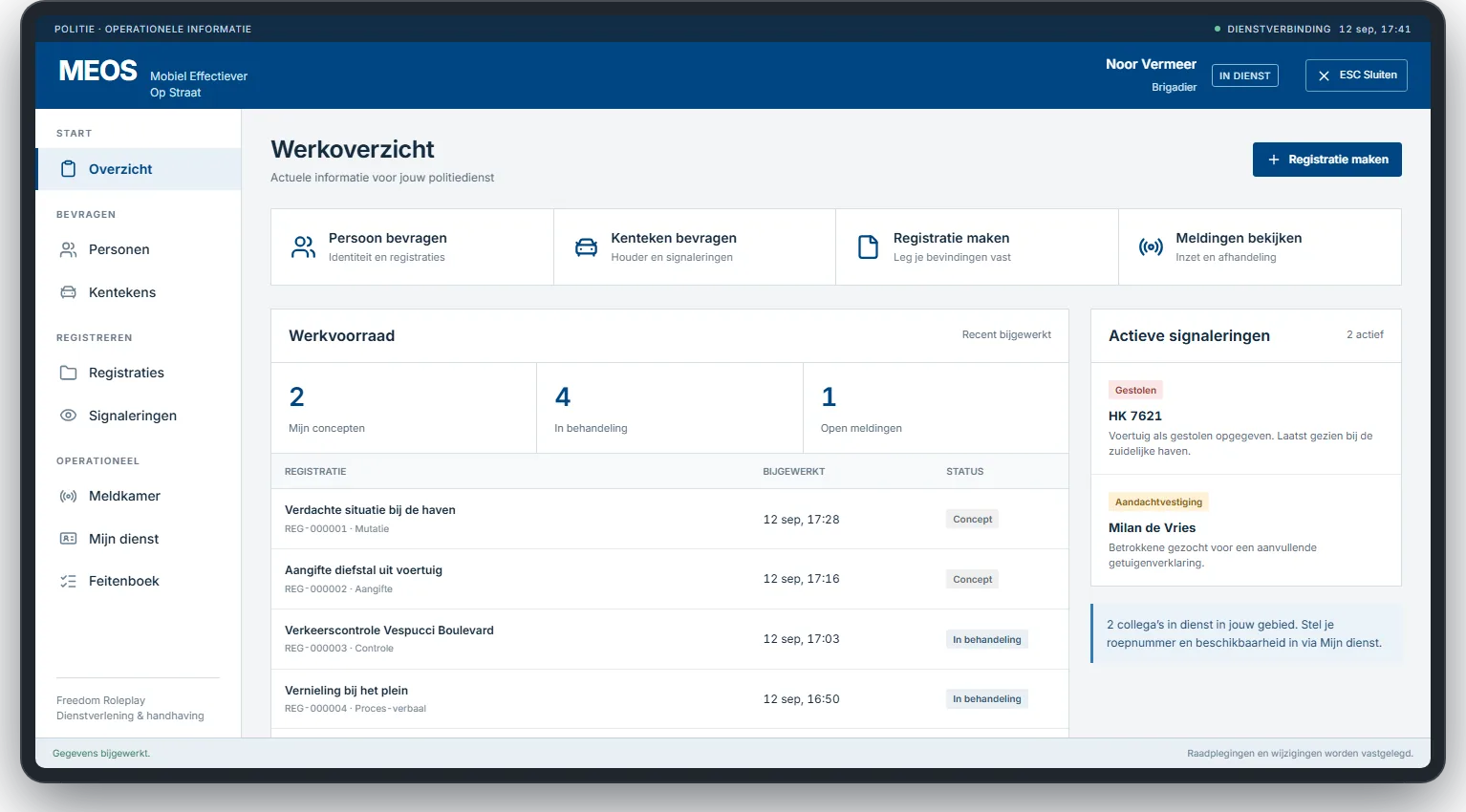
MEOS police tablet
A full police records system on an in-game tablet, fed live by ANPR cameras, dispatch and seized burner phones.
Read the case ↗
POLICE / JUSTICE
MEOS police tablet
A full police records system on an in-game tablet, fed live by ANPR cameras, dispatch and seized burner phones.
Read the case ↗
 CRIME / ECONOMY
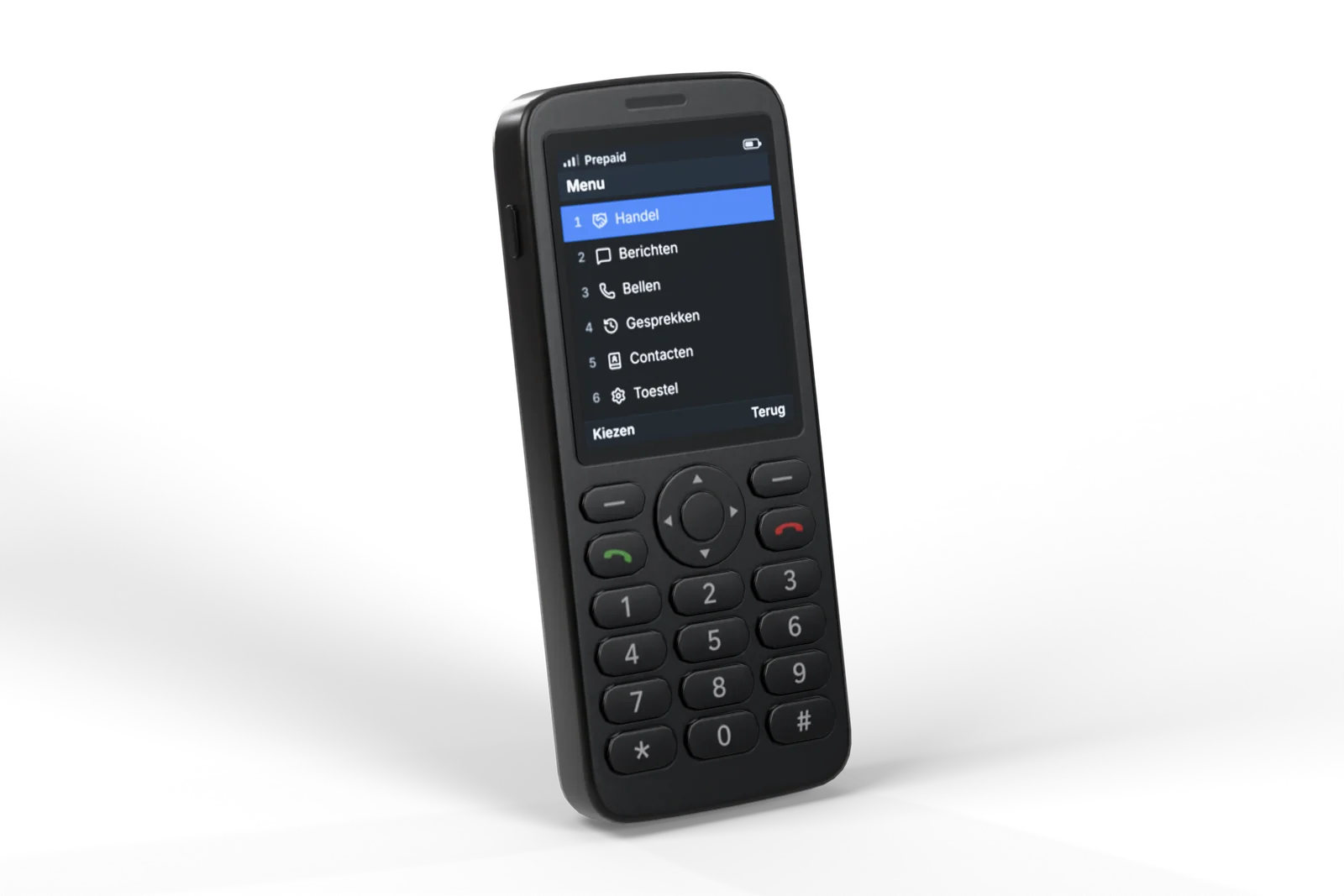
Underworld economy
Burner phones, street dealing, an XTC lab, money mules and a chop shop with a live tracker, tied together by one black-money economy and a police side for every crime.
Read the case ↗
CRIME / ECONOMY
Underworld economy
Burner phones, street dealing, an XTC lab, money mules and a chop shop with a live tracker, tied together by one black-money economy and a police side for every crime.
Read the case ↗
 PLATFORM / STAFF
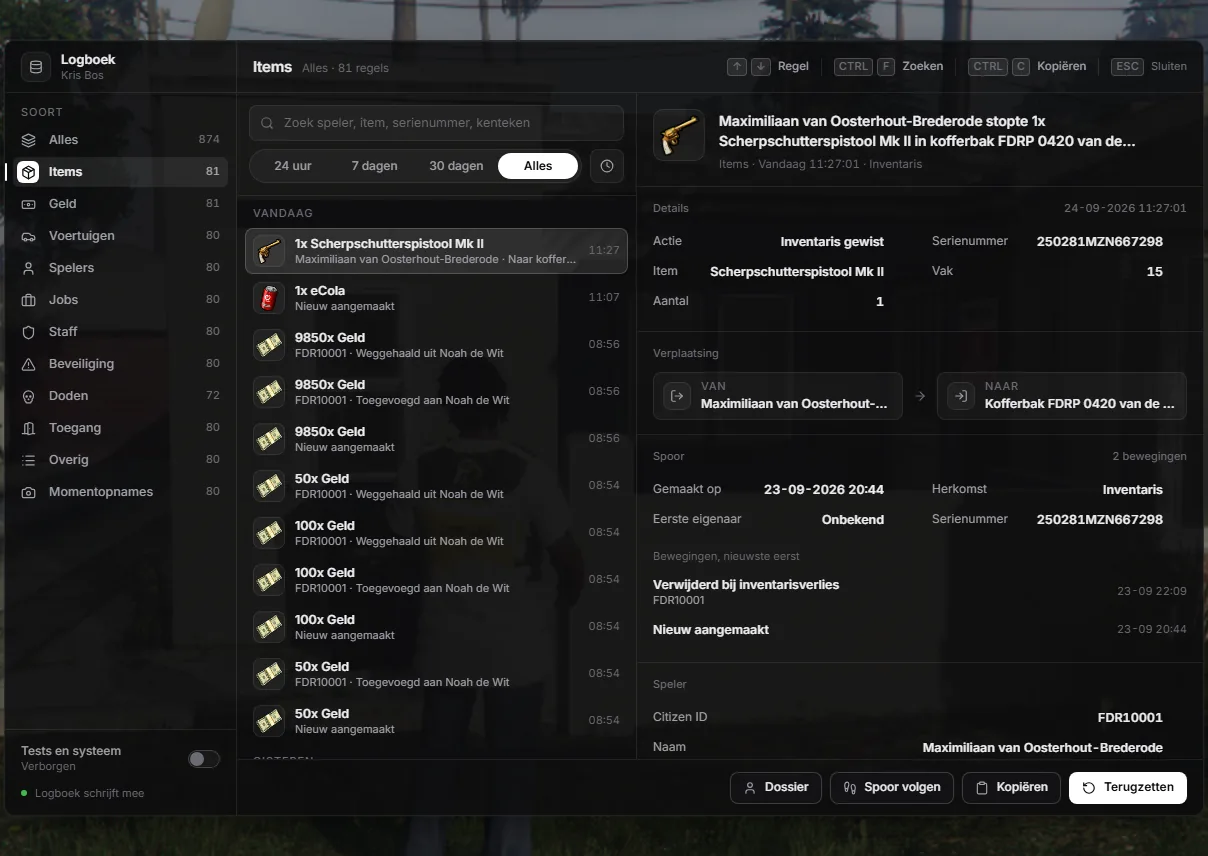
Server operations
The back office behind the server: every item and euro logged, staff questions answered from the logs, refunds from evidence and a release tool between test and live.
Read the case ↗
PLATFORM / STAFF
Server operations
The back office behind the server: every item and euro logged, staff questions answered from the logs, refunds from evidence and a release tool between test and live.
Read the case ↗
Want this on your server?