Underworld economy
Underworld is the connected FiveM crime economy on Freedom Roleplay, a Dutch Qbox server, not a pile of separate scripts. Everything pays black money, everything has a way back to the police, and the evidence carries over.
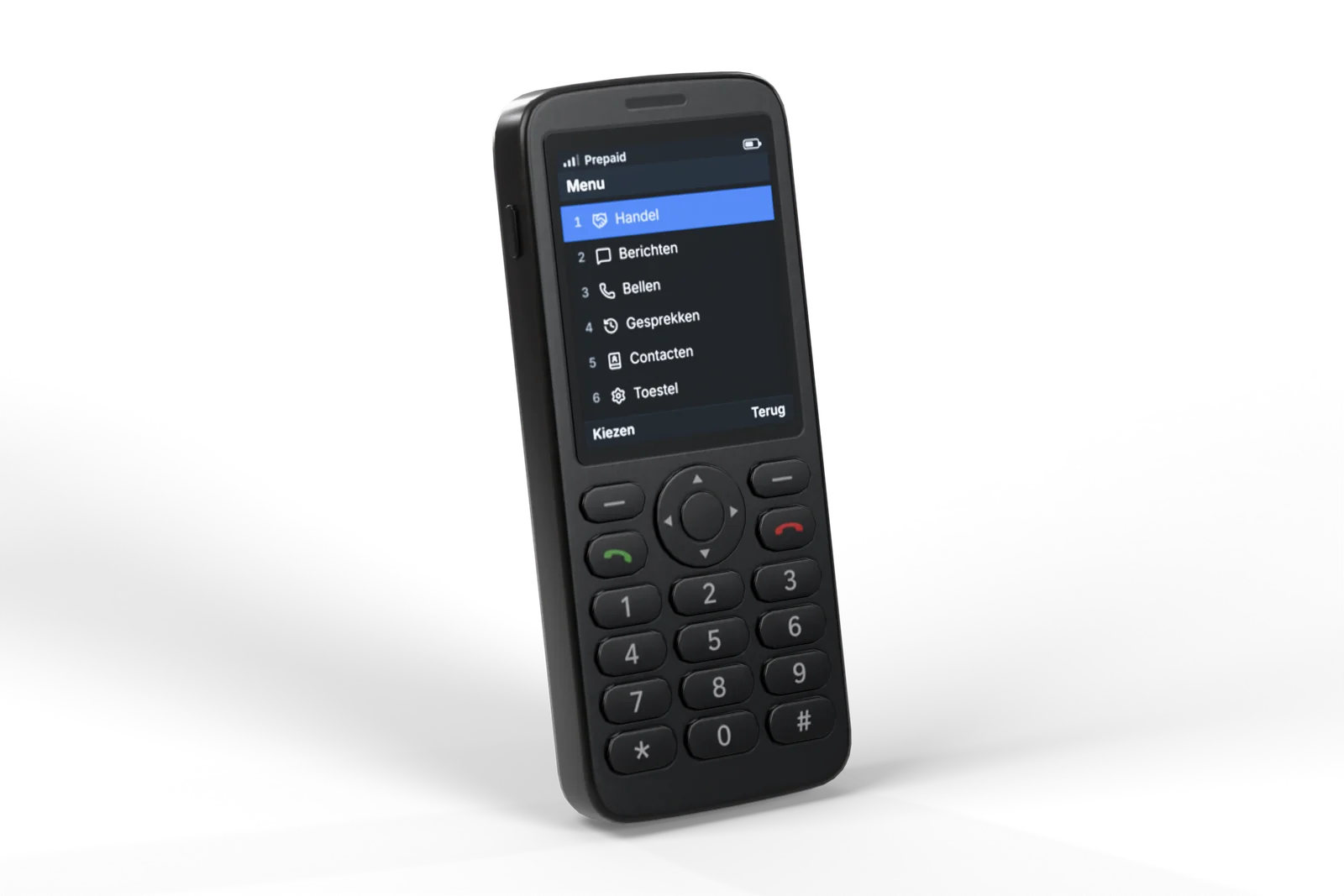
- 01Deals run through a prepaid burner police can read after a search
- 02Black money only turns clean through money mules at ATMs
- 03Stolen cars carry a live tracker you cut out under the dash
CUSTOM 3D MODEL
Burner phone
Turn it in 3D ↗
Crime on Freedom Roleplay is one connected system: what a dealer earns, launders and risks shows up on the police side.
The problem with crime scripts
Most servers stack crime scripts from different authors. Each pays out its own way, none of them talk to police in a way that makes sense, and nothing you do in one shows up in another. Freedom Roleplay had the same issue early on: police rarely got calls that meant anything, and laundering was an NPC you walked up to.
One economy
All criminal income pays black money. Cars from the dealer and houses need clean bank money, so big purchases go through laundering. Stolen goods sell through one shared fence price list, so every item has a buyer. Payouts rise with the number of police on duty, so the best money comes with the most risk. Progress runs through contacts you meet in the world, not through a menu: Vince for stolen goods and car contracts, Dario for imports, Milo for laundering.
The burner phone
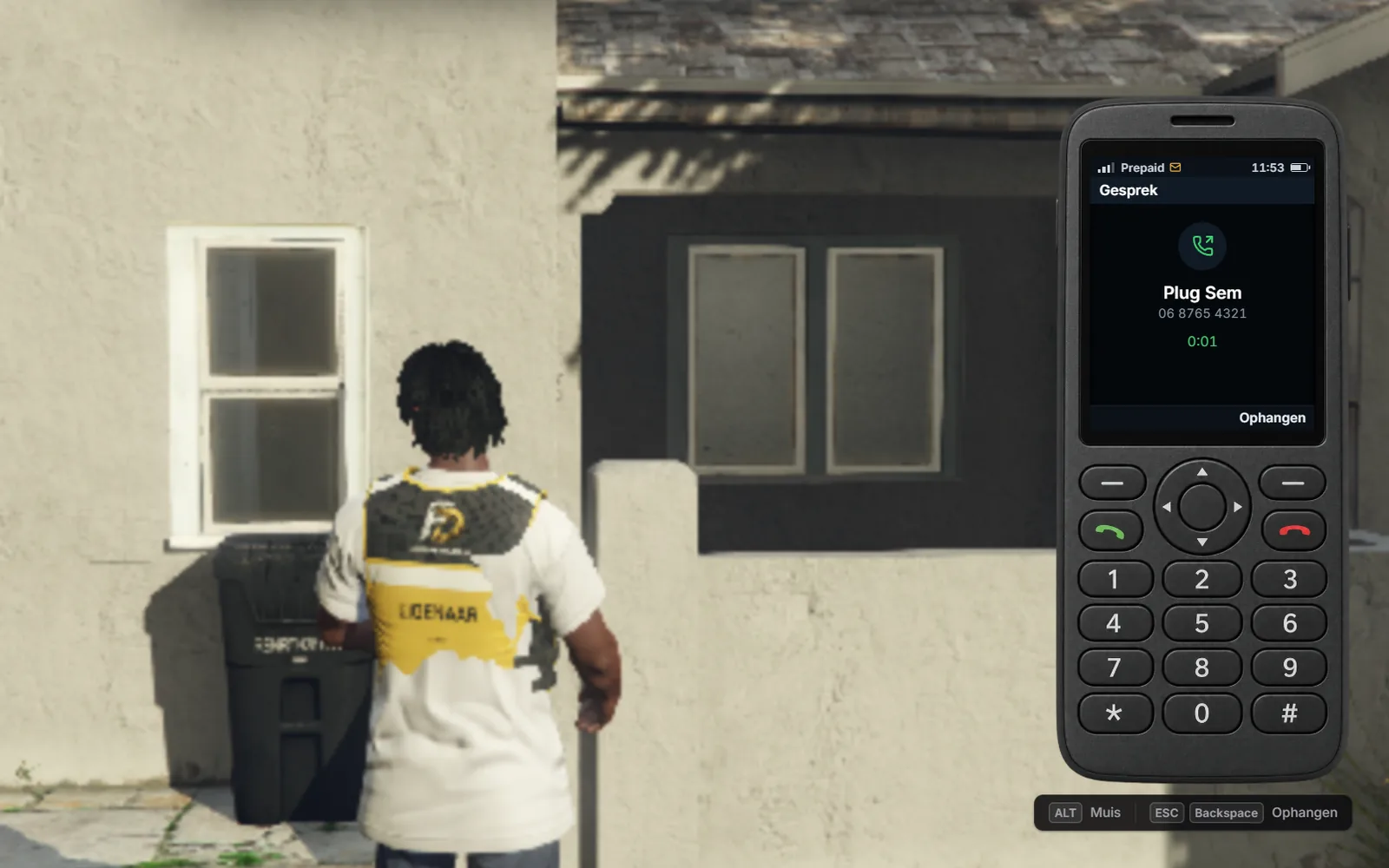
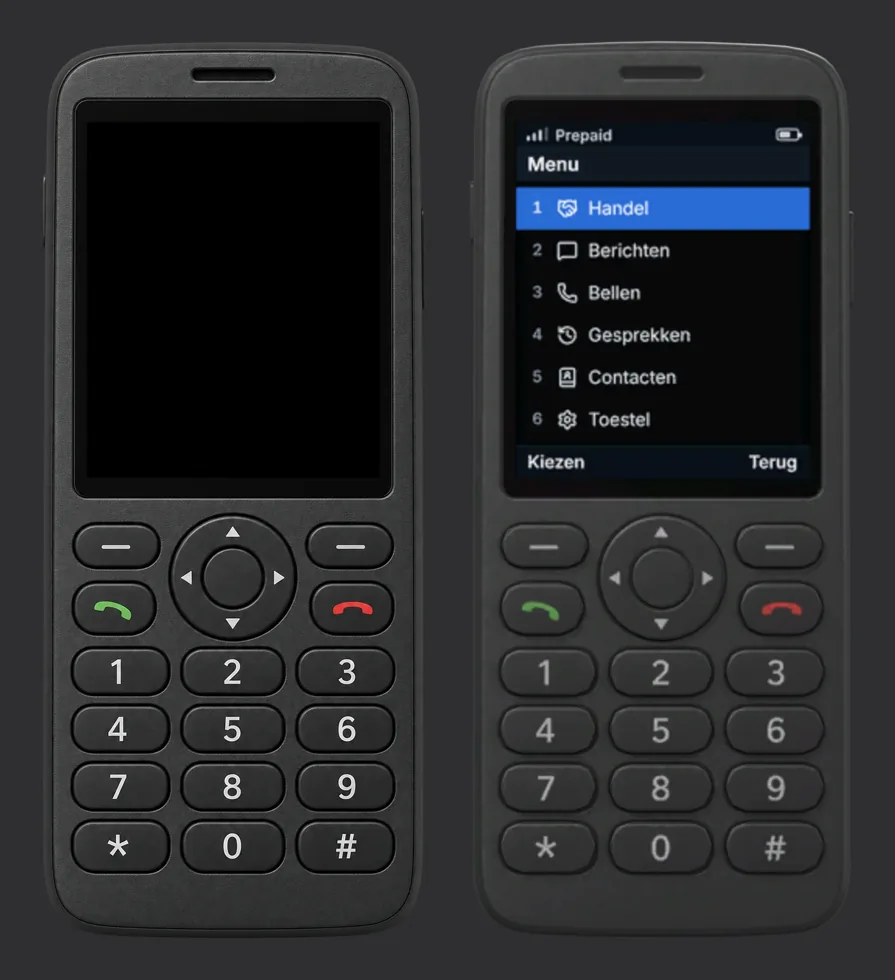
Street deals run through a prepaid phone item with its own number. It is drawn as a real handset with sixteen keys and a navigation ring, it calls and texts other burners and regular phones, and an incoming call rings out loud for players within 12 metres, even from a bag. Whoever holds the phone can read it. That is the point: when police search a dealer, the burner is evidence. Throwing it away ends the trail in game, while every message stays stored for staff. In the hand, the character holds a custom 3D model of the same handset.
Street dealing
Once a dealer starts selling from the burner, customers walk up on their own and each makes an offer. The dealer can sell, ask 10, 25 or 40 percent more, meet in the middle or flip a coin for the difference. On average the flip pays the middle price, but it can land below the original offer. A customer pushed too far can storm off and call the police with the burner number. Weed and coke each have six price levels. This part started from the open-source Qbox drugs resource; the levels, negotiation, burner and police reports are new.
The XTC lab
Selling 500 bags of coke on the street unlocks an XTC lab on Cayo Perico. A batch of raw materials costs 4,000 euros, and the two precursors have to be collected from separate random spots on the island. Mixing is a minigame: pour to the ring, add three scoops and stir, and overfilling or splashing costs quality. The batch dries on a rack for two minutes, then every bag of pills is pressed with a die and a flywheel that needs a well-timed swing: too soft and the press has to go again, too hard and the pills crack. A batch makes ten bags that sell for 1.7 times the coke price of the same level, scaled by quality. A fisherman nearby calls the police on 12 percent of pickups and 20 percent of mixes.
Money mules
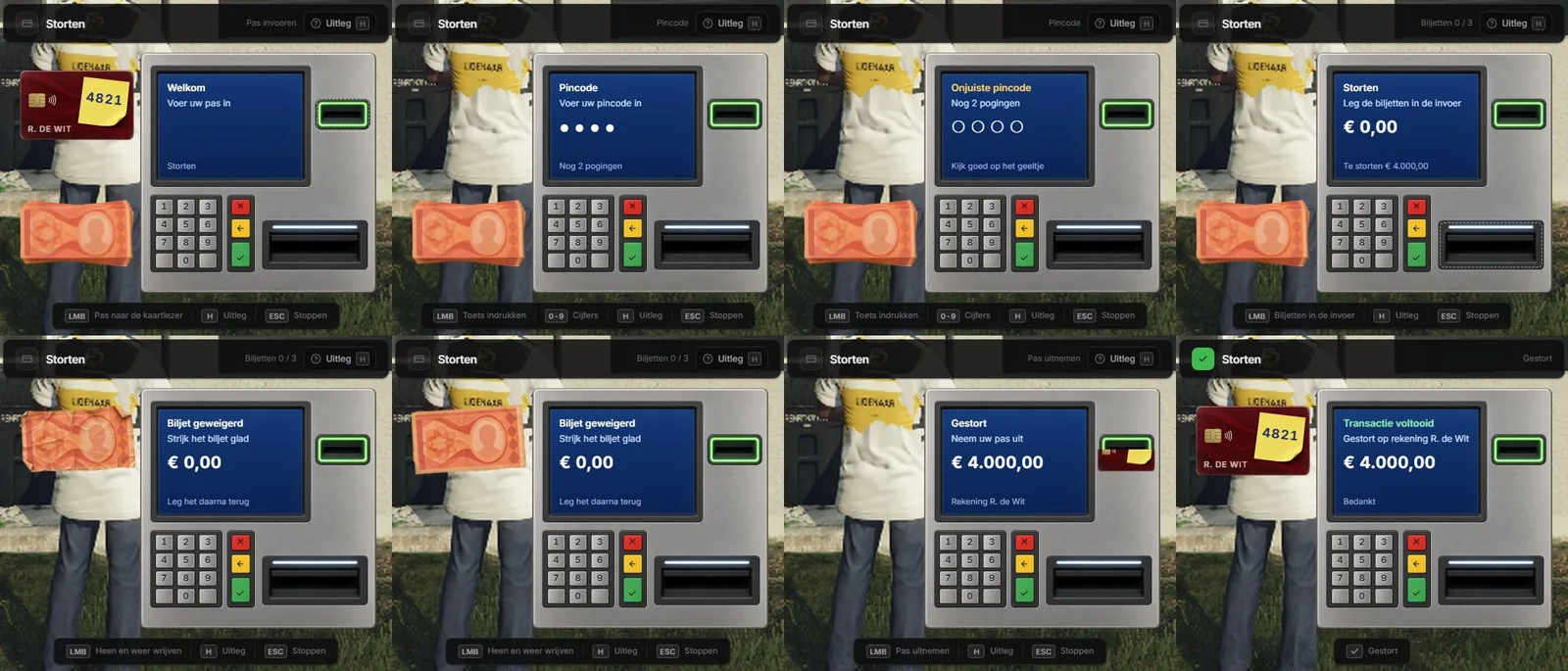
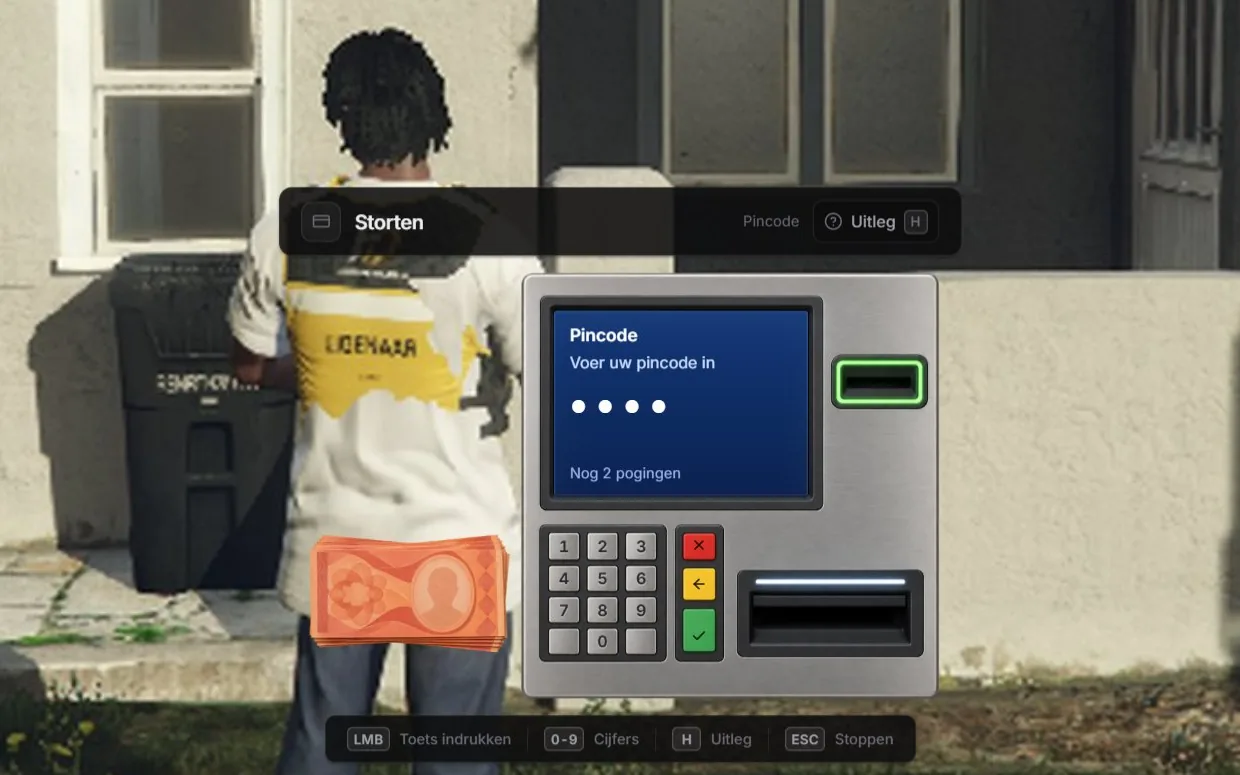
To clean black money, players first have to find Milo in Sandy Shores. He arranges money-mule bank cards, and each card must be deposited at a different ATM at least 100 metres from the last one in that series. The deposit is a minigame: insert the card, type the PIN from the sticky note, feed the notes and smooth out the crumpled bill the machine rejects. Every deposit risks a bank camera alert, more so after a wrong PIN; reusing an ATM or rushing always alerts police, and three wrong PINs swallow the card. Cards are items, so a partner can deposit for you, and police can seize them and read the name and PIN. Five laundering levels lower the fee and raise the hourly limit.
The chop shop
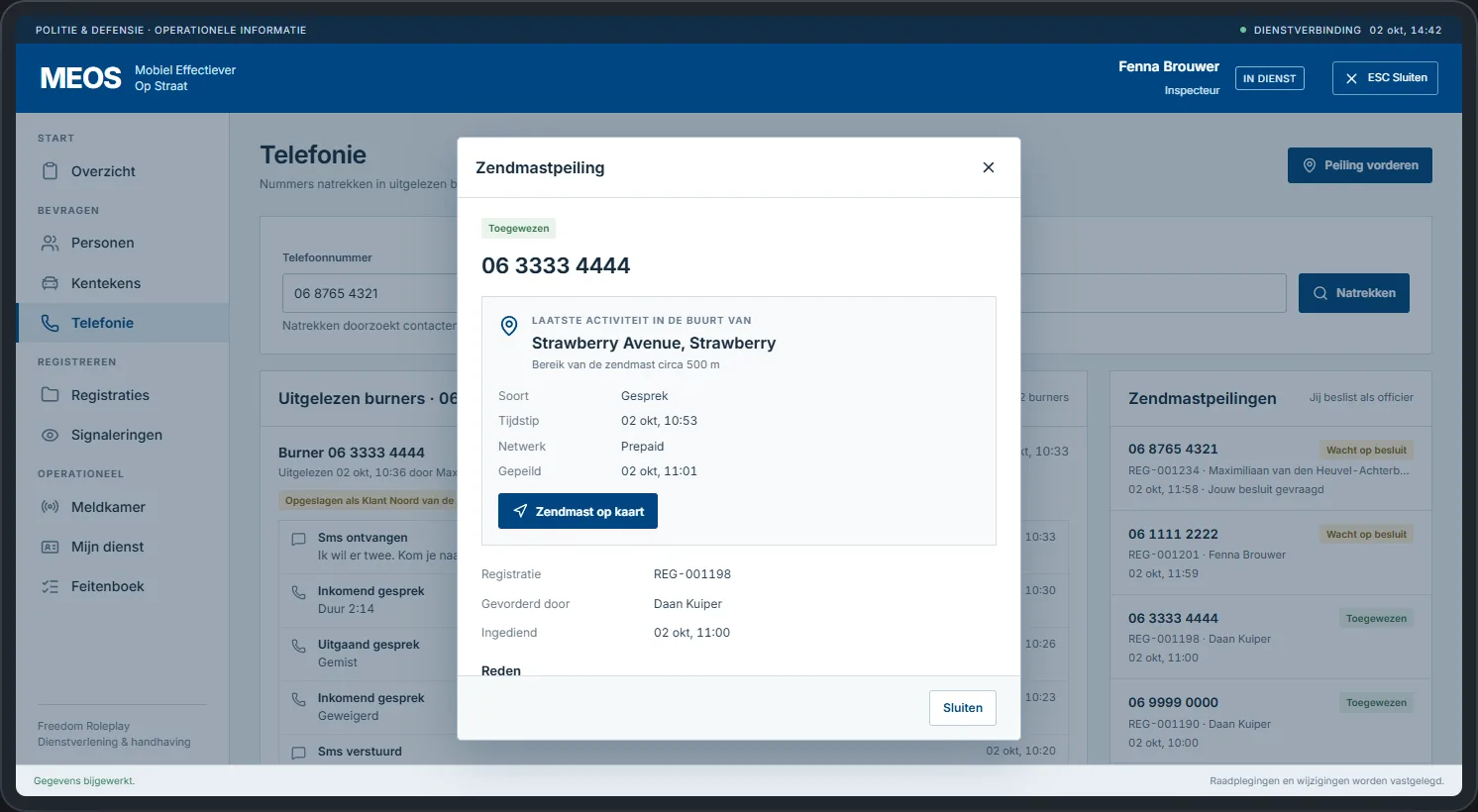
Vince hands out vehicle contracts, and each target car carries a sleeping tracker. Once the car is 120 metres from its spot, the tracker goes live: police get a theft alert, MEOS gets a stolen warrant, and their map shows a blip that moves every 10 seconds. To shake it, the thief stops and does the tracker minigame under the dashboard. Pulling it before driving off still reports sabotage from that spot, and the chop shop refuses any car that still carries a tracker.
Schaduw
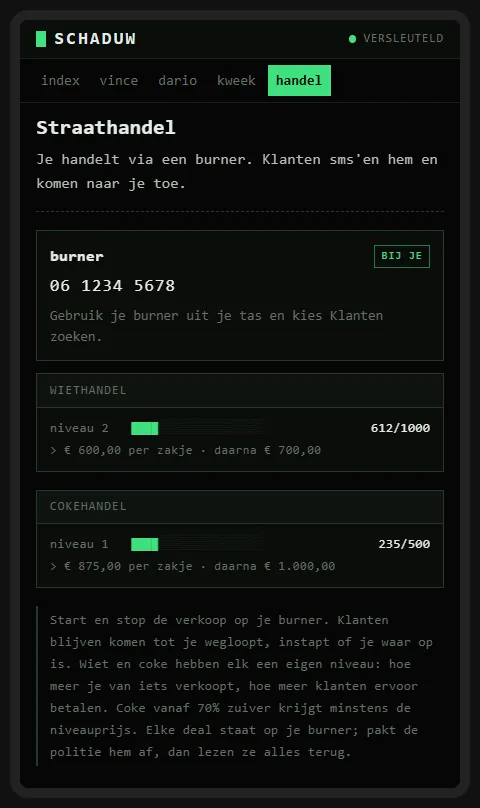
Schaduw is the dark web site in the phone's browser, styled after real onion markets: near-black, monospace, an ASCII logo and encrypted inboxes. It needs an invitation, and contacts only appear after a player has met them in the world, even through a direct link. Reputation shows as ASCII bars, and the street-trade page shows both product levels and the next price.
Every crime has a police side
Only trusted server resources can post to police dispatch, and every activity has a defined trigger: burglary alarms, street-deal witnesses, ATM cameras, ATM blasts, smuggling tips, the fisherman near the XTC lab, car theft and trackers, and robberies. Rewards are only paid after the server confirms the action, and each laundering payout is a transaction with a review state, so a crash never pays twice.
More views
More from Freedom Roleplay
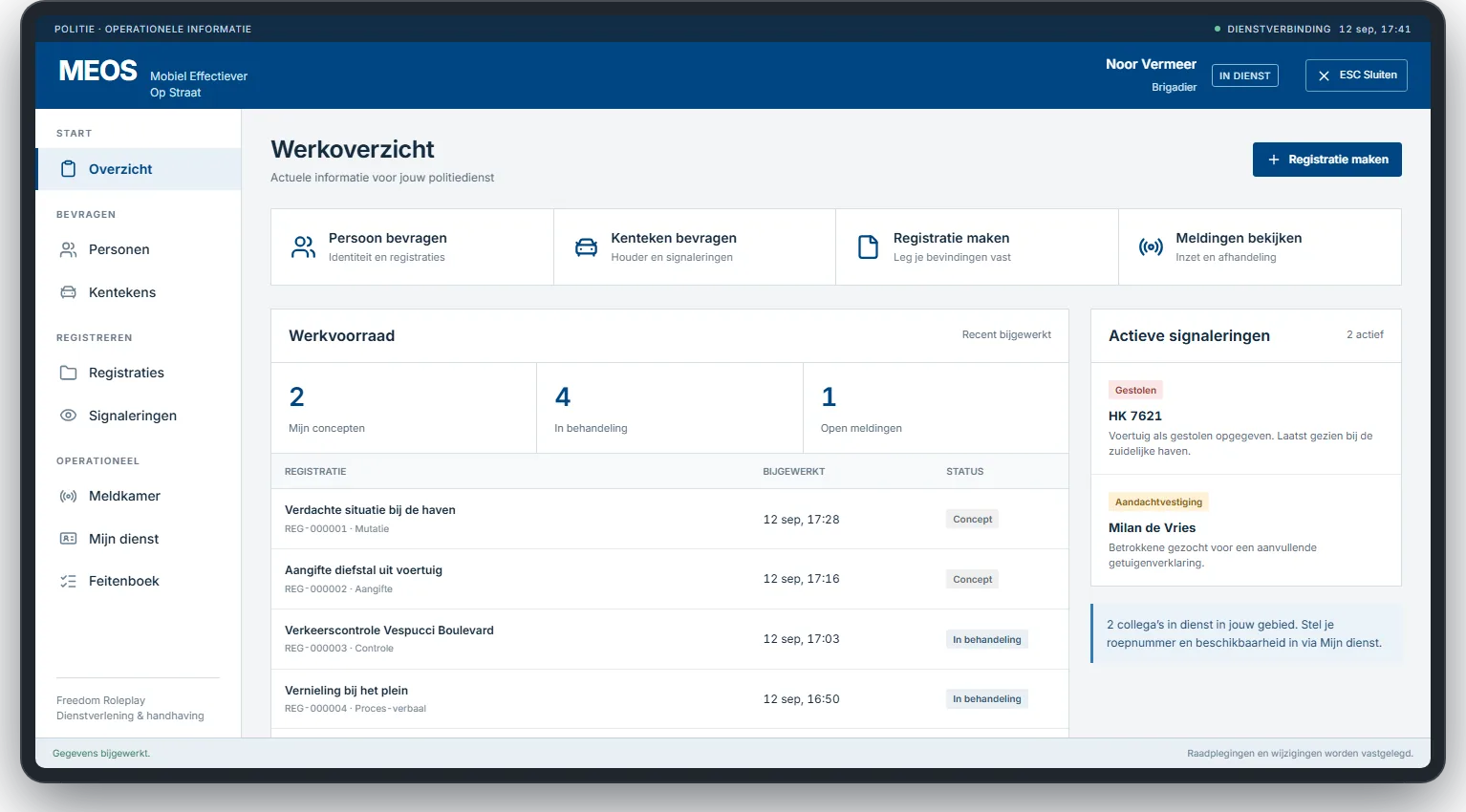 POLICE / JUSTICE
MEOS police tablet
A full police records system on an in-game tablet, fed live by ANPR cameras, dispatch and seized burner phones.
Read the case ↗
POLICE / JUSTICE
MEOS police tablet
A full police records system on an in-game tablet, fed live by ANPR cameras, dispatch and seized burner phones.
Read the case ↗
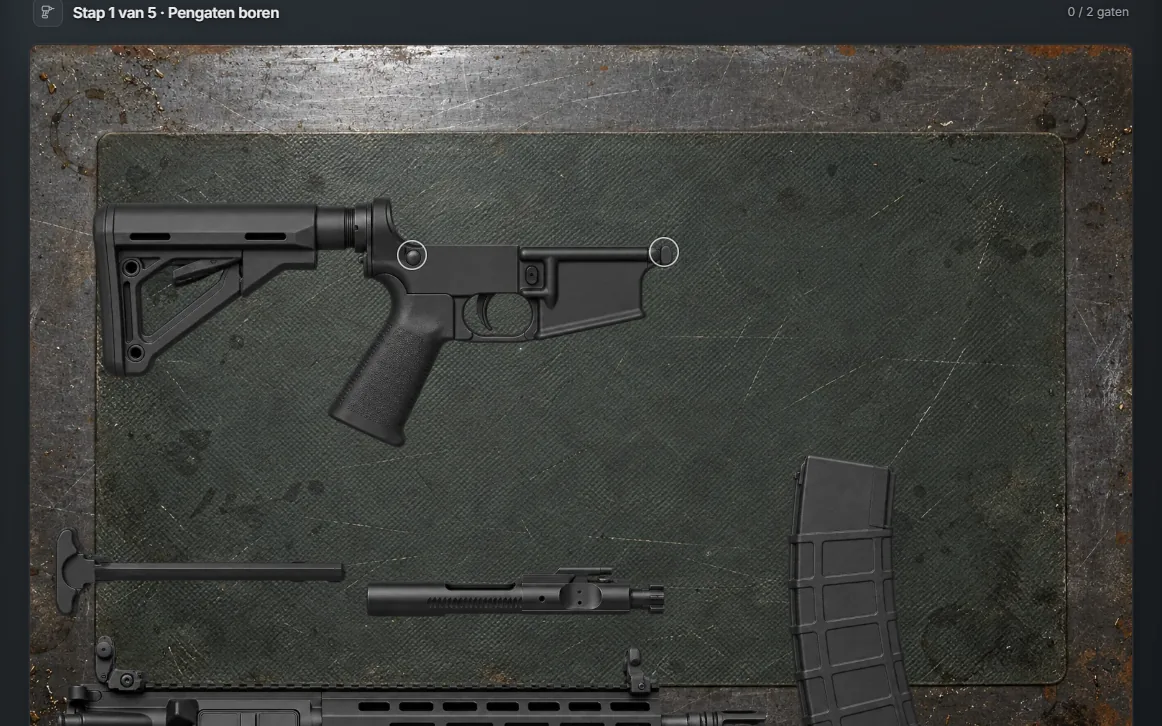 CORE / GAMEPLAY
Physical minigames
Every hands-on job step is the real action with real tools, built from original image layers and checked by the server gesture by gesture.
Read the case ↗
CORE / GAMEPLAY
Physical minigames
Every hands-on job step is the real action with real tools, built from original image layers and checked by the server gesture by gesture.
Read the case ↗
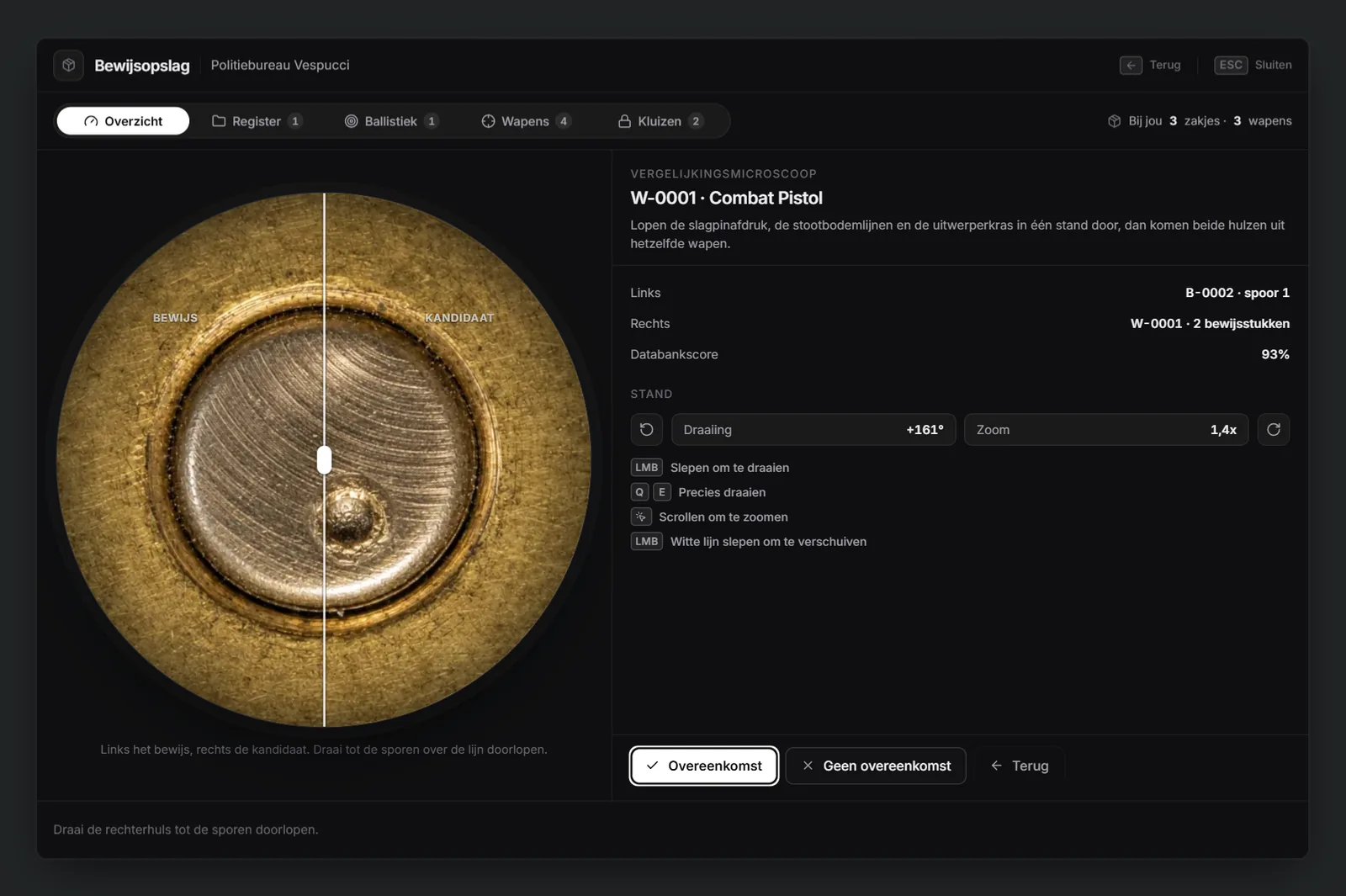 POLICE / FORENSICS
Ballistics lab
Shots leave casings on the street that officers find, bag and match to a weapon under a comparison microscope.
Read the case ↗
POLICE / FORENSICS
Ballistics lab
Shots leave casings on the street that officers find, bag and match to a weapon under a comparison microscope.
Read the case ↗
Want this on your server?